
High-fiber foods release gut hormones.
appetite suppressant
Over the past 20 years, research has linked problems in the gut microbiome to a wide variety of conditions, including inflammatory bowel diseases, autoimmune diseases such as rheumatoid arthritis, metabolic diseases such as diabetes, and cardiovascular diseases, asthma, and even autism.
If you eat a lot of ultra-processed foods—those made with a long list of ingredients that includes additives or preservatives—this can have a serious impact on your gut health. According to one study, these foods make up 73% of our food supply.
Rosa Krajmalnik-Brown, PhD, is the director of the Center for Biodesign for Health through the Microbiome at the University of Arizona. Her lab has researched how microbes utilize undigested food that reaches the gut. She describes the problem of ultra-processed foods this way:
"Think of a soft drink: when you drink it, all the sugar goes into your bloodstream, and the microbes in your gut don't even know you've had it. Instead of drinking a soft drink, if you eat an apple or some other food with fiber, some of it will go to you and some to the microbes. You're feeding them, giving them energy."
Weight and your gut microbiome
Krajmalnik-Brown's group conducted an experiment where people followed two different diets for 23 days each, with a break in between. Both provided similar amounts of calories and macronutrients every day, but through different foods.
The typical Western menu in the study featured processed foods: grape juice, sandwiches made with cured turkey, white bread, and spaghetti with canned sauce and ground beef. The other menu, which the researchers called the "microbiome-enhancing diet," included foods such as whole fruits, vegetarian sandwiches on multigrain bread, and whole-wheat spaghetti with tomatoes and olive oil.
"We found that when you feed individuals a diet designed to provide more energy to microbes rather than the body, our subjects lost some weight," said Krajmalnik-Brown. "By feeding your microbes, it seems to make people healthier and potentially help them lose some weight."
Another possible mechanism involves the same hormone that fuels these injectable weight-loss medications. The lower intestine produces hormones that tell the entire gut to slow down and also help orchestrate metabolism and appetite; among them is GLP-1. The medications use a synthetic version to trigger the same effect.
According to Damman, you can stimulate your gut to produce these hormones with the food you eat: giving your microbes the right fuel.
Eat to feed your microbes.
Try giving your body more of the types of foods that research has shown: many of them are plant-based. "These are the things that are largely removed during processing," said Damman. He calls them the "Four Fs":
- Fiber: When you eat foods rich in fiber, such as fruits, vegetables, whole grains, nuts, and beans, your body cannot digest the fiber while it is in the upper parts of the gastrointestinal tract. It passes into the lower intestine, where healthy bacteria ferment it. This produces short-chain fatty acids, which send signals throughout the body, including those related to appetite and satiety.
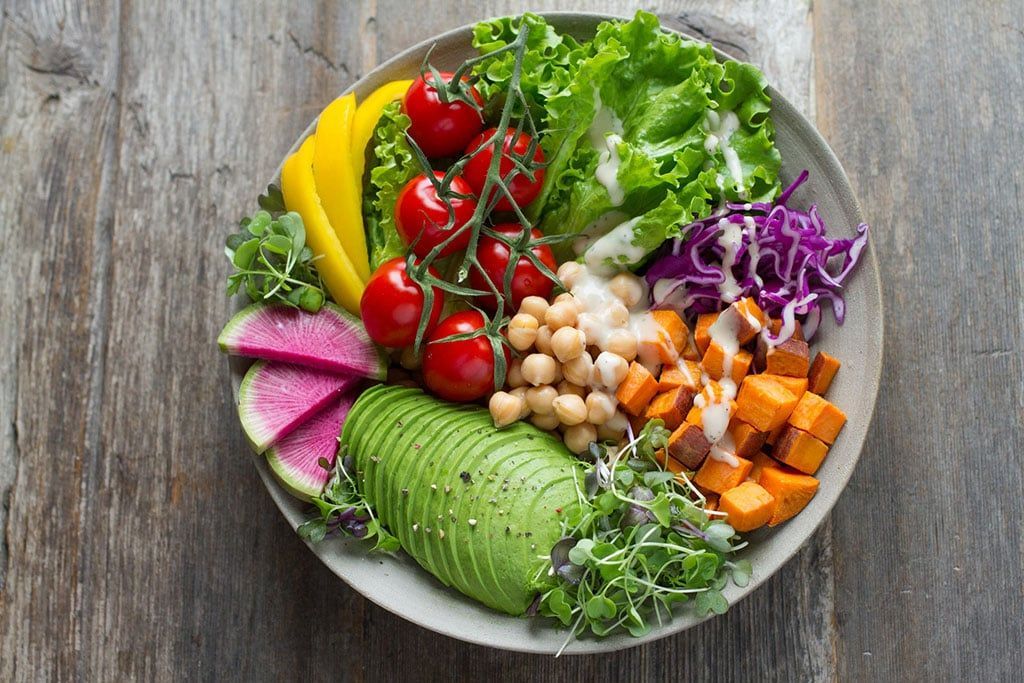
- Phenols: Phenolic compounds are antioxidants that give plant-based foods their color: when you talk about eating a rainbow, you're talking about phenols. Gut microbes also feed on them. "My goal for a meal is five distinct colors on the plate," said Chapmon. "That completes the basis for the different polyphenols."
- Fermented foods: You can obtain a different type of health benefit by eating already fermented foods such as sauerkraut, kimchi, kefir, yogurt, miso, tempeh, and kombucha. Fermentation can also make the phenols in foods more accessible to your body. Furthermore, the bacteria already in our gut feed on these new strains, which helps increase the diversity of the microbiome.
- Healthy fats: Here, it's not so much about feeding the good bacteria in your microbiome. Damman says that omega-3 fatty acids, found in oily fish, canola oil, some nuts and seeds, help reduce gut inflammation. Additionally, healthy fat sources like extra-virgin olive oil and avocados are full of phenols.
Another study demonstrated that a high-fiber diet affects small intestine metabolism, stimulating the release of the intestinal appetite-suppressing hormone tyrosine peptide (PYY and GLP-1) more than a low-fiber diet, and does so independently of food structure. Furthermore, participants reported less hunger at 120 minutes with the high-fiber diets compared to the low-fiber diet.
A diet called "oatzempic" has been popping up all over the internet, posing as a cheap and readily available alternative for weight loss. Proponents of the diet claim that an oat-based shake helps people lose a significant amount of weight quickly.
The smoothie is made by blending 1/2 cup of oats, 1 cup of water, a little lemon, and perhaps a pinch of cinnamon or other flavoring agents, usually as the first meal of the day, often after fasting, followed by normal meals.
The high content of soluble beta-glucan fiber in oats and the citric acid present in lemon can potentially promote decreased appetite and increased satiety. But a bowl of oatmeal, while not as modern, will likely produce the same results.
If someone enjoys the taste of oatzempic in one meal a day, that's one way to incorporate more oats into their diet, but fiber should be present in their other meals through vegetables, fruits, whole grains, lean proteins, and unsaturated fats.
A nutritious eating pattern that includes these foods is more beneficial for health; diets have been phased out and sustainable eating patterns have taken over. It is individualized based on a person's goals, medical history, preferences, budget, and lifestyle.
Sources:
https://www.science.org/doi/10.1126/scitranslmed.adm8132
https://www.ncbi.nlm.nih.gov/pmc/articles/PMC8291023/
https://www.ncbi.nlm.nih.gov/pmc/articles/PMC6314516/
https://www.mdpi.com/2673-4168/3/4/24
https://www.ncbi.nlm.nih.gov/pmc/articles/PMC9003261/