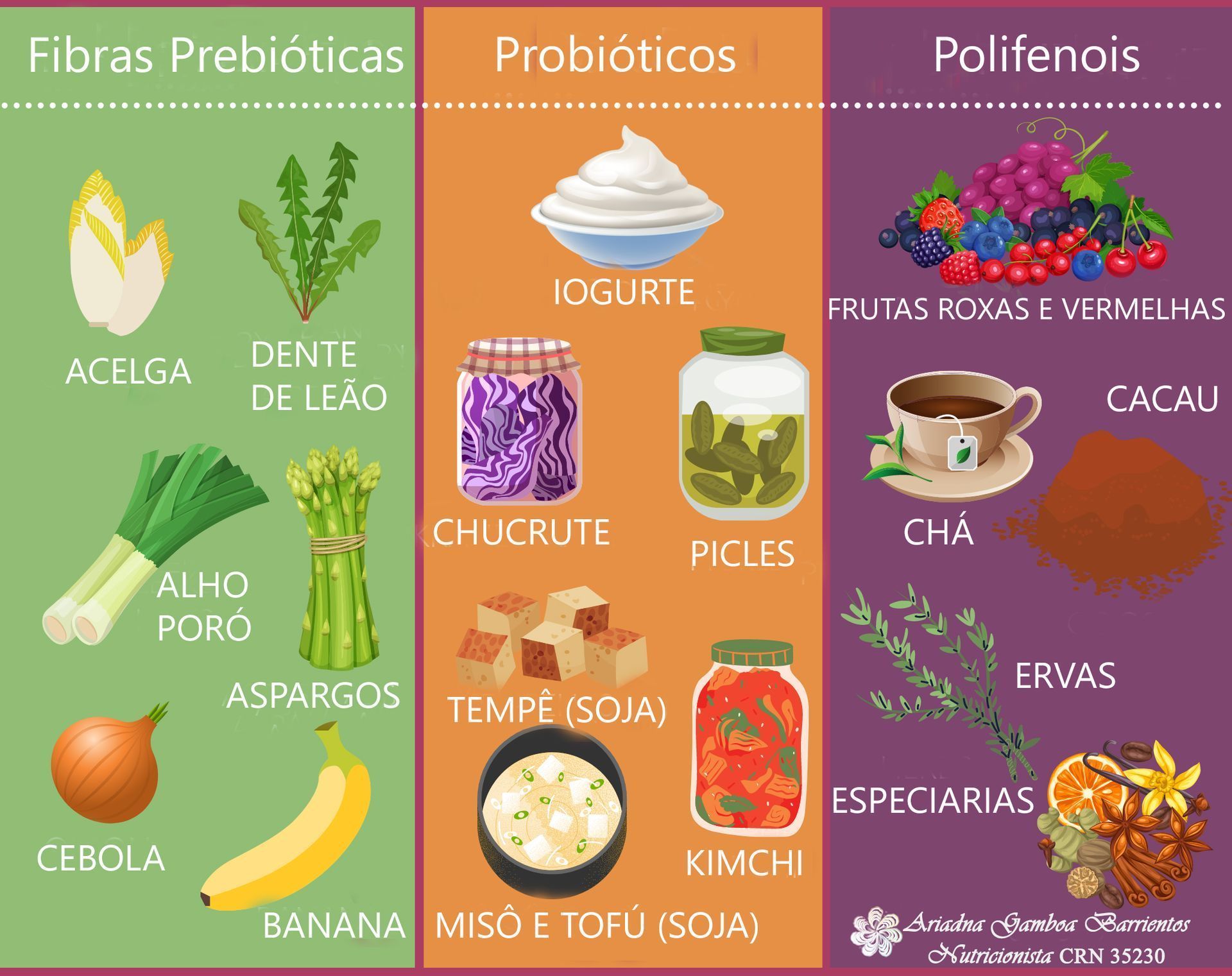
"All diseases begin in the gut."
Hippocrates
Our digestive tract is home to the gut flora, a highly complex group of bacteria and other microorganisms that influence immunity, inflammation, metabolism, and more.
An unbalanced microbiota, a condition also known as gut dysbiosis, has been associated with several health conditions such as cardiovascular disease, diabetes, obesity, depression, and autoimmune diseases.
Many studies have been conducted on the association between the use of prebiotic fibers and foods rich in probiotics, benefiting the intestinal flora.
A diet rich in polyphenols can also help maintain a healthy gut; some effects of polyphenols in the diet include:
- The polyphenols in cocoa may be beneficial for the growth of Lactobacillus and Bifidobacterium.
- The flavonoid quercetin (found in grapes and onions, especially red onions) has antiviral properties.
- These polyphenols positively affect the intestinal barrier: a study with 3 servings per day of purple and red fruit juices and cocoa consumption showed a decrease in zonulin (a marker of intestinal permeability).
- A study involving 2 servings of grapes per day increased the population of Akkermansia muciniphila: a bacterium that produces protective intestinal mucus, with effects on insulin sensitivity, cardiovascular health, inflammation, and weight loss.
- Dietary analyses of a population in northern Germany showed that those with higher consumption of anthocyanins (purple foods and red fruits) had lower amounts of visceral fat. This high consumption was also linked to greater diversity and abundance of gut flora.
- Sources:
https://pubmed.ncbi.nlm.nih.gov/25802870/
https://www.mdpi.com/2072-6643/12/7/1908
https://pubmed.ncbi.nlm.nih.gov/34534897/
https://www.mdpi.com/2072-6643/13/11/3965
https://pubmed.ncbi.nlm.nih.gov/31826255/
https://www.ncbi.nlm.nih.gov/pmc/articles/PMC6770155/